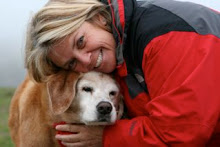
Happy 2012! It's the first week out of the 2012 gate, how are you feeling?
In my massage practice I have been touching many clients who are holding "residual" holiday traffic in their tissues. Their own private "traffic". Hurry there, hurry here, greet this person, party with them, dinners, performances and shopping.
Now it is January, time to relax from December's party atmosphere and time to get last year's taxes in order. Other changes on the plate as well....so what are you doing to stay compassionate with yourself? Name 2 things you have done for yourself in the last 5 days.
REMEMBER-Get your body touched in a therapeutic, nurturing way.
Get a massage, take long slat bathes/soaks, visit your favorite Hot Springs, get a massage, get a chiropractic treatment, acupuncture, Reiki, take a hike, etc. It will help you push through last month's kinks. These stress vortexes need help to leave your body and let you relax. You will sleep better tonight as your body will have relaxed and gotten the treatment it needs. Your body (muscles, skeletal, nerves, fascia...etc) will be grateful you paid attention.
Friday, January 6, 2012
Thursday, November 3, 2011
The weather can influence our emotional , mental and physical state.

Fall is upon us. Weather changing can bring new feelings and moods.
Do you have some new aches and pains? Cool weather can make arthritis activate. Less sunlight can attribute to mild or heavy depression.
Good to pay attention what you need to make you feel LOVED everyday! When you nurture yourself and treat yourself right, you can be there for others. Eat healthy today and make a difference for your body....That wonderful divine tool that is with you everyday supporting you and helping you live your wonderful life.
Simple gratitude is worth a lot! Love your self. Go get a massage...touch is a profound tool to bring you back into your center and decompress.

Tuesday, October 18, 2011
Do you have Low Back Pain?
Sacroiliac Joint Pain Relief Through Massage
Lower back pain is a common ailment often seen by massage therapists. It can also be one of the most difficult when it comes to determining the cause. Sacroiliac joint pain is frequently the culprit, especially in women who have been pregnant, individuals who have to sit for prolonged periods of time and in those who have unequal leg lengths. Learn more about the sacroiliac joint, what causes that aching back, as well as how to ease a client's pain.
by Linda Fehrs, LMT
When a client comes in for a massage to ease lower back pain, the cause needs to be determined. Several pathologies present with similar symptoms, and careful intake - as well as postural analysis - can help narrow down the culprit. Sacroiliac joint disorder (SJD) is one of the most common causes of lower back pain and can be difficult to both diagnose and treat by healthcare professionals.
Sacroiliac Joint Anatomy and Physiology
There are two sacroiliac joints (SIJ) in the human body. They are located at the junctions where the ilium (on pelvic bone) meets the upper lateral section of the sacrum (the bottom portion of the spine). The SIJs are L-shaped joints which move together as a single unit. The sacral surface of the joint is covered with hyaline cartilage; the ilial surface has fibrocartilage. While there are no muscles attaching directly between the sacrum and the ilium, the piriformis and gluteus maximus do cross the joint and connect the sacrum to the femur. The SIJ's stability is reinforced by a combination of its shape as well as strong intrinsic and extrinsic ligaments.
Early in life, during infancy and toddler stages, the SIJs are gliding synovial joints with flat articulating surfaces. As the body ages and physical stress is placed upon them, they evolve into a more angular surface with fibrous joints. This stress is caused by walking upright and results from the torso's weight as it transfers from the upper portion of the body, through the spine, into the pelvis and lower extremities.
The joints themselves have little movement, usually less than four degrees of rotation and two millimeters of shifting. The main function of the SIJ involves weight bearing and spinal function in the central, or axial, body. It also is a vital part of the movement involved with walking.
Signs and Symptoms of SIJ Dysfunction
SIJ dysfunction is sometimes hard to distinguish from other lower back problems, including piriformis syndrome and sciatic pain. However, there are several things typically associated with SIJ problems:
• A dull, unilateral (one-sided) low back pain which worsens when rising from a seated position, or climbing stairs.
• Pain may be referred to the hip, groin or upper portion of the leg.
• Pain and stiffness of the lower back, usually on one side, increasing with prolonged sitting or walking.
What Causes SIJ Dysfunction and Pain?
Like many joints in the body, the SIJs have cartilage which allows for some movement and acts as a kind of shock absorber between the articulating bones. If the cartilage wears away or is somehow damaged, causing the bones to rub directly against each other, osteoarthritis develops and results in pain. Other conditions affecting the SIJ include:
• Pregnancy - Giving birth also has a link to SIJ disorder. The hormone, relaxin, is released during pregnancy, easing the tension in ligaments as a preparation for delivery. This, combined with the added weight and altered gait associated with pregnancy, contributes to problems with the SIJ.
• Having one leg longer than the other can cause problems with the SIJ. This condition causes an abnormal walking pattern which, in turn, increases stress on the joint. This can often be addressed by the use of orthotics (special shoes or shoe inserts prescribed by a podiatrist).
• Trauma, such as falling hard on the buttocks, can often result in SIJ dysfunction.
• Various disorders that involve joint inflammation, such as gout, rheumatoid arthritis and psoriasis may also affect the SIJ, causing pain.
• Ankylosing spondylitis, an inflammatory arthritis of the spine, affects the SIJ. In early stages it is very painful but, as the condition progresses, the SIJ fuse together, resulting in no movement and no more pain.
The pain caused by the SIJ can result in the surrounding muscles tightening, splinting and spasming in an attempt to increase stabilization. Most often the affected muscles include the piriformis, the upper gluteus maximus, the erector spinae and transversospinalis.
Diagnosing SIJ Dysfunction
Only a physician or physical therapist can definitively diagnose SIJ dysfunction. They may use a combination of intake, palpation and X-ray or computed tomography (CT) scan. Magnetic Resonance Imaging (MRI) or bone scans may also be used in certain cases where a subtle fracture or bone abnormality may be suspected.
There are some passive stretches that can be done as a preliminary assessment by a massage therapist. If pain occurs, then SIJ dysfunction is likely the culprit and a physician referral should be considered.
• Straight Leg Raise - This is performed with the client in a supine position. The practitioner assists in flexing the hip joint with the knee fully extended. This is done one leg at a time. Pain associated with SIJ dysfunction may occur on either side.
• Nachlas Test - With the client in a prone position, the client's knee is flexed and the ankle brought as close to the same-side buttocks as possible. This movement should not be forced if the client is unable to complete this assessment because of tight muscles in the thigh or hip, or if there is a significant knee injury.
• Yeoman's Test - Similar to the Nachlas test, the client is in a prone position and the knee is passively flexed. The practitioner places his or her hand under the knee and actively lifts the thigh into extension, while stabilizing the same-side PSIS.
Reducing the Discomfort of SIJ Dysfunction
SIJ dysfunction is not a condition that can be actively prevented. It occurs as a result of normal aging, pregnancy, natural misalignment or inflammatory disease. Physical therapy can help to alleviate pain through the use of stretching and exercises that increase stability of the joint.
The pain of SIJ dysfunction can be reduced through the occasional use of anti-inflammatory medication and oral steroids prescribed by a physician. In extreme cases, surgery may be advised, but has shown mixed results. The client should refrain from any activity that increases pain, including prolonged periods of sitting.
Yoga, qigong and Pilates are all good exercise systems for strengthening the muscles surrounding the SIJ and can be an adjunct to other therapies.
Massage therapy can also help to reduce the pain associated with SIJ. It is especially helpful in reducing the pain of the musculature around the joint.
Tuesday, October 4, 2011
Fall is upon us
This is the time of the year when we start to go inside. Our bodies want to calm down, slow down and getting a massage can be very healing. Touch can help us stay grounded and be in our bodies. We just cycled off the Summer Season. In the summer we are active and OUT there. It is only natural (by nature) that we want to come inside and contract a bit as it is Fall Season. Winter is ahead where we want to hibernate and become still in the darkest months of the year. Give yourself the gift of touch, slow down and breathe your way back into your body.
Wednesday, July 13, 2011
Summer is here-good health!

Everyone loves a little sunshine, outside adventure and summer days when the sun sets later in the evening; all seems to give us all more energy. Remember to hydrate, keep your blood sugar, balanced and wear sun protective clothing. Our Pets need to stay hydrated also!
Using Tiger Balm, Traumel or Salon Pas on achy muscles at the end of your day will help you feel more rested the next morning. And what could be better than relaxing in a peaceful, quiet, calm environment and getting your muscles relaxed?
Take care of yourself at least once a month by giving yourself a gift of massage, chiropractic or acupuncture; some sort of body work that allows you time to be quiet and give your self attention.
Take care of yourself and and find that balance EVERY day.
Friday, June 17, 2011
Core Strength Exercise while Healing from Surgery....
My dear friend and body worker, Christine Fazio, suggested this mindful exercise to help me heal from my pelvic surgery I had last month. My surgery was on May 10th, 2011. I am plan to be back at work, July 1st.
I have been concerned about my ability to work my full load as my work is so" physical", I need my core strength.
Here is the exercise. I am certain my belly can do this at this stage of healing, I wanted to share it with you all.
I have been concerned about my ability to work my full load as my work is so" physical", I need my core strength.
Here is the exercise. I am certain my belly can do this at this stage of healing, I wanted to share it with you all.
This may help with bringing your core strength back.
Have you heard of the *clock* exercise?
You can do it lying on the floor or bed with your knees up and feet on the floor. You focus on your belly button being 12:00 and pubic bone being 6:00. To the right and left you choose which is 3:00 and 9:00. Now you have the clock image.
Focus on pulling your core in and down to 6:00 then 3:00, 12:00, and 9:00 slowly and gently. Clockwise two times and counter clockwise twice.
This is a mindful exercise so breathe and concentrate. It wakes up the deep core muscles and really helps strengthen your deep core. Most people have a hard time at first feeling 3:00 and 9::00.
Don’t worry, it will come in time. Simply doing this exercise daily (if you can) will begin to wake these core muscles up.
I suggest to touch your belly in these spots first to wake up the signal to your brain before you begin. Even massage for a few seconds will help them fire when you engage
Friday, June 3, 2011
Mindful Touch
A Gentle Mindful touch can mean the whole world to a body that is not feeling well.
people and animals both thrive on touch. Have you touched someone today with kindness and mindfulness? It could be more profound for someone than you will ever know. Go do it now....
people and animals both thrive on touch. Have you touched someone today with kindness and mindfulness? It could be more profound for someone than you will ever know. Go do it now....
Subscribe to:
Posts (Atom)